RhB Einheitswagen I
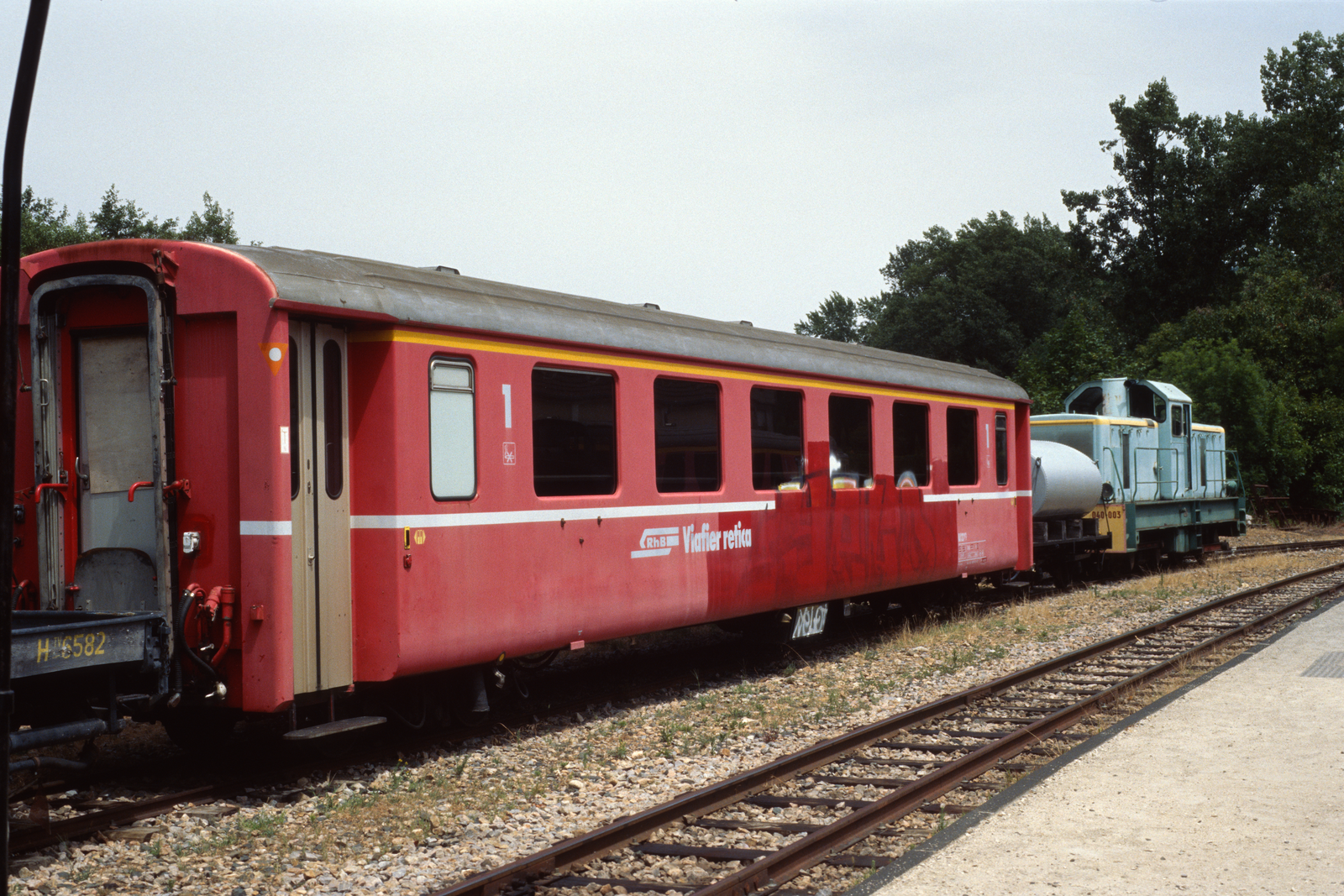 Fig. 1. An Einheitswagen I with serial number A 1229
Starting with the easiest ones to identify, two RhB Einheitswagen I cars I discovered at the Lamastre train station. Both are first-class cars with six windows. Since they are shortened versions of longer eight window cars, they most likely ran on the Bernina line. The passenger car in Figure 1 has the serial number A 1229, which dates the car to around 1962-1966.1 It entered the Chemin de Fer du Vivarais around June 2021 and remains there to this day in a deprecated form.2
The Swiss Mallets
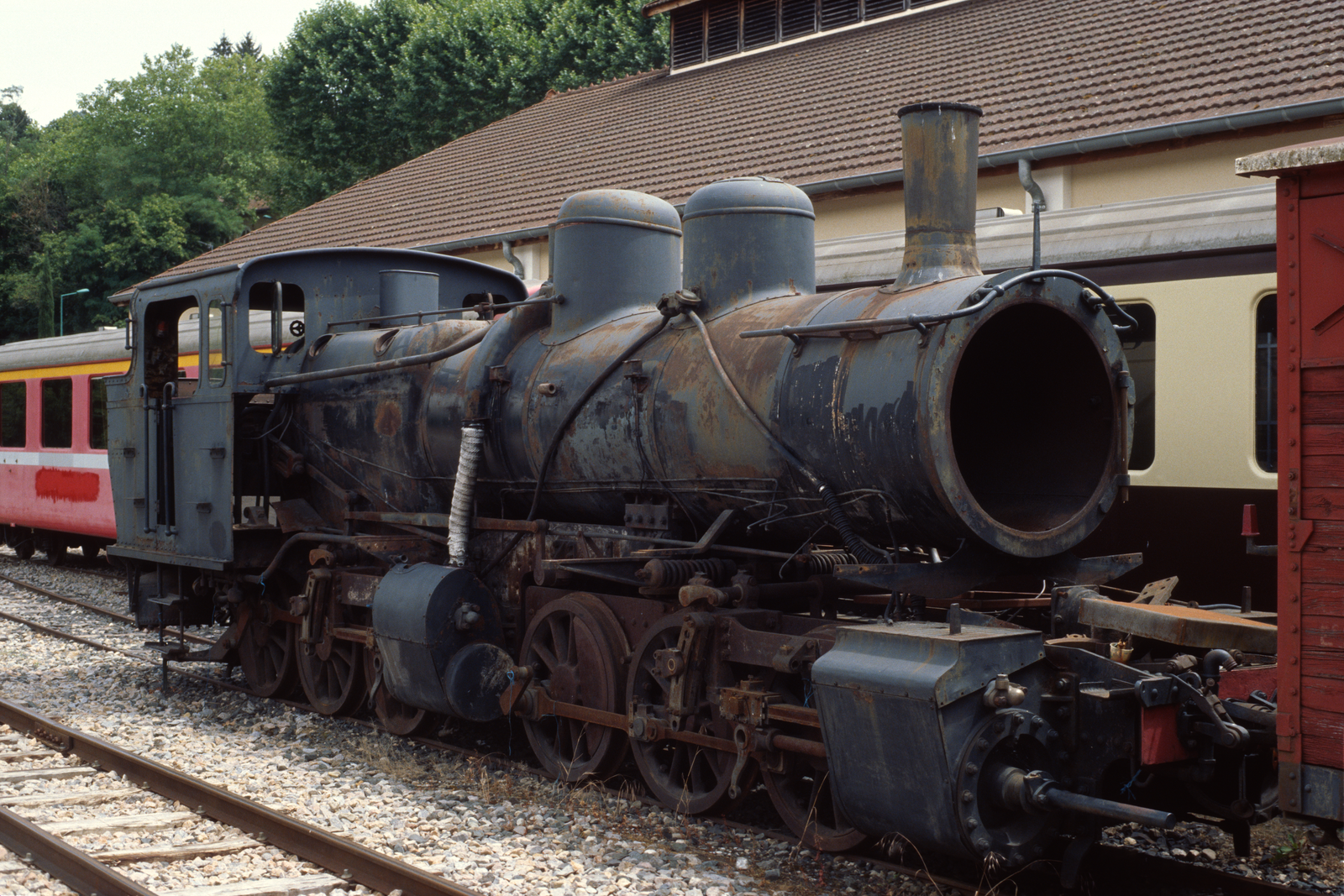 Fig. 2. A 030+030T type Mallet with an RhB EW I car behind it to the left
The second car is, unfortunately, hidden behind the cannibalized Mallet to the right, which took priority in my photographic interests. I presume the locomotive is the No. 401 listed on the Wikipedia page of the CFV.2 It, too, happens to be Swiss in origin, interestingly enough. It was constructed and designed by the Schweizerische Lokomotiv- und Maschinenfabrik and is, or rather was, one of the original locomotives that ran on the Tournon-Lamastre line. The Swiss have done wonders recovering and restoring some of their HG 3/4 and 4/4 locomotives from the jungles of Vietnam, and I'd like to believe that this locomotive will find a similar happy ending some day.
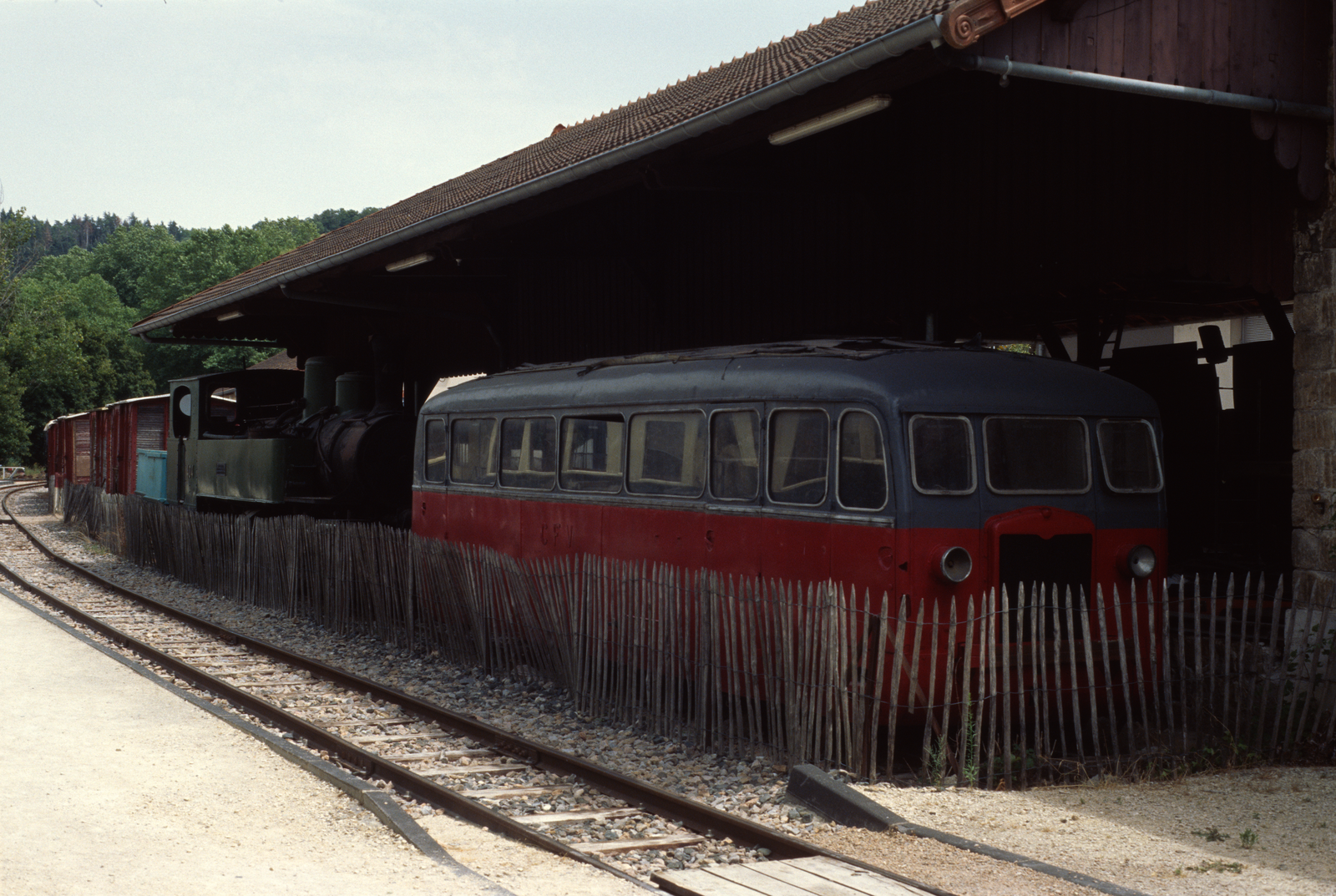 Fig. 3. Another Mallet hiding behind an interesting diesel rail bus
Another Mallet of the same type, No. 404, can be seen hidden behind an interesting rail bus of unknown origin in Figure 3. The Wikipedia page of the CFV obscures its origin behind names and references I can't make much sense of.
Note: During my research, I found that most, if not all, French rolling stock isn't widely documented outside of rare and obscure books I can't afford to buy. Perhaps that is at the fault of me not being all too familiar with the correct French search terms or French in general. I'd like to apologize for reciting superficial Wikipedia facts and not being able to do any original research on those locomotives.
RhB Schienentraktor
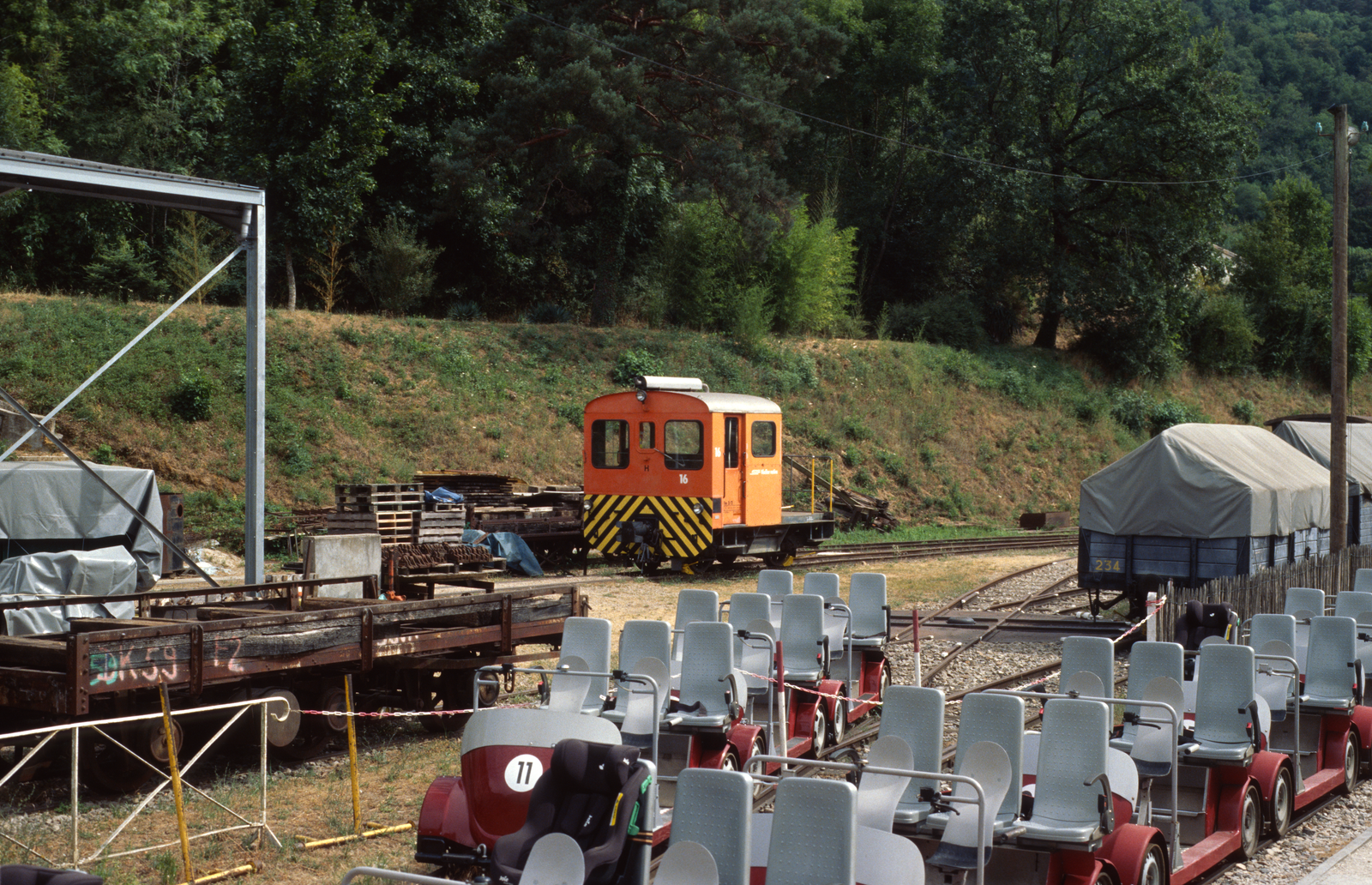 Fig. 4. A Tm 2/2 at the Boucieu-Le-Roi train station
An RhB Tm 2/2 Schienentraktor No. 16 I found at the Boucieu-le-Roi train station, halfway between Lamastre and St-Jean-de-Muzols. The CFV Wikipedia page doesn't list it --someone should update that-- but it was apparently sold or donated to the Association Sauvegarde et Gestion de Véhicules Anciens --whoever or whatever they are.3 Their own homepage doesn't help in the slightest, but they are part of the CFV, so there was most likely a direct transaction between RhB and CFV.4
Passenger Cars B 242, B 244, B 313
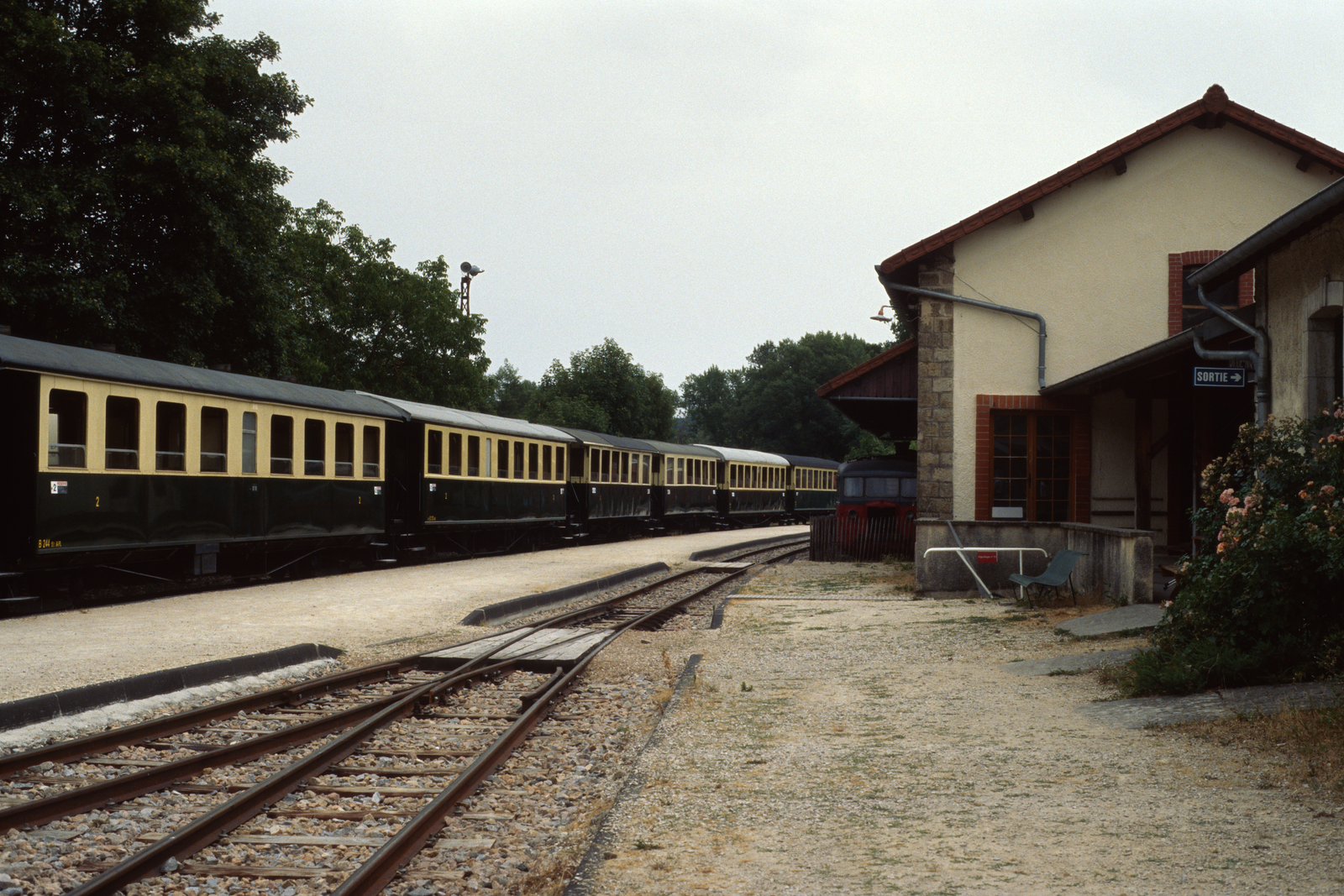 Fig. 6. Passenger cars B 244, B 313, first two to the left, forming part of a tourist train composition
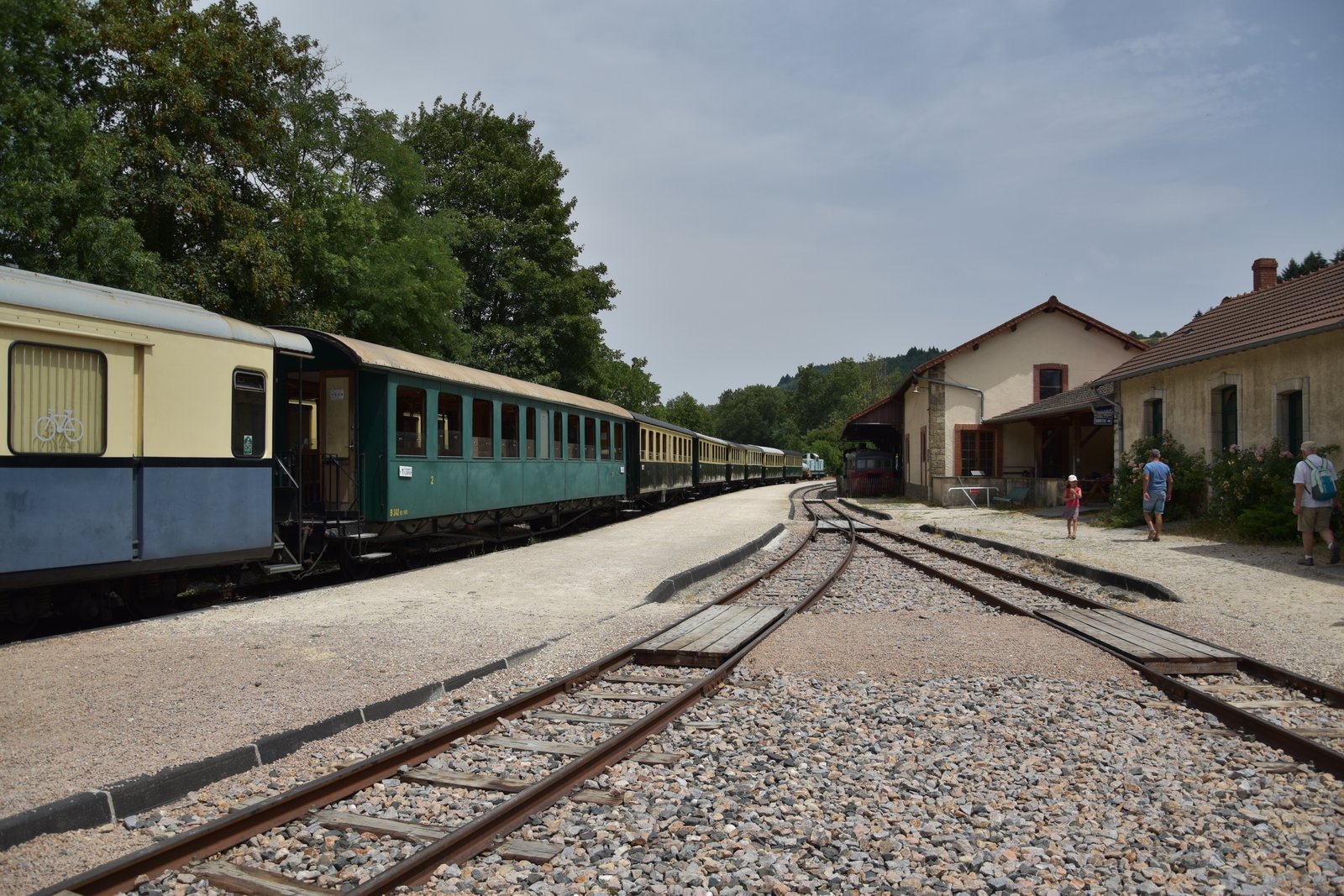 Fig. 5. The Passenger car B 242 stands out among the rest of the train composition in its unique fully dark green livery
Lastly, I have three passenger cars with serial numbers B 242, B 244, and B 313. In their most basic shape and form, however, they remind me of the RhB 22XX series of passenger cars, which is where my interest in them stems from. These were tricky to identify because they changed liveries and serial numbers, underwent extensive modifications, and operated on at least three different railways in their lifetime.
B 242, B 244
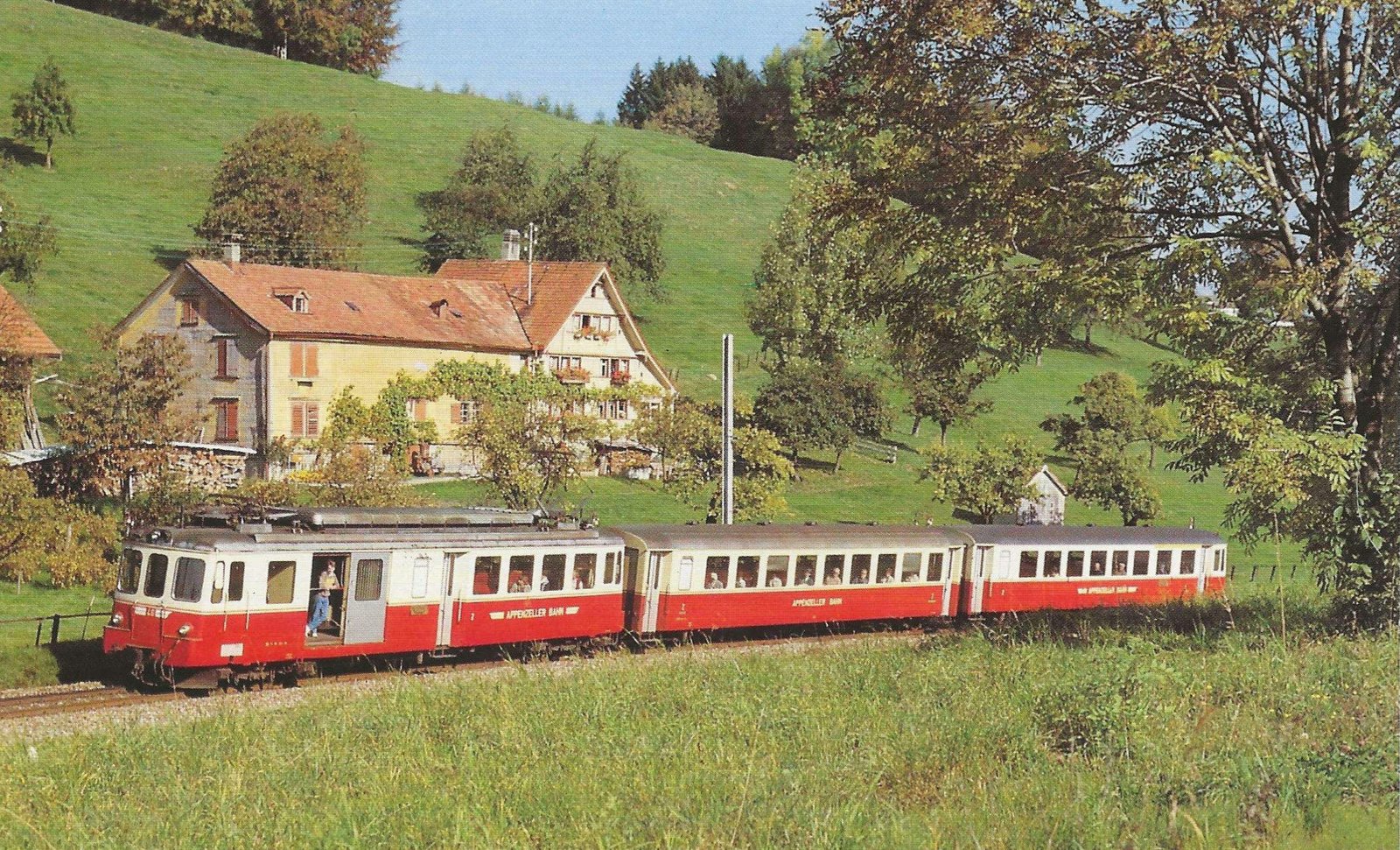 Fig. 8. Typical Appenzeller Bahn train livery of the era (04.10.1984)
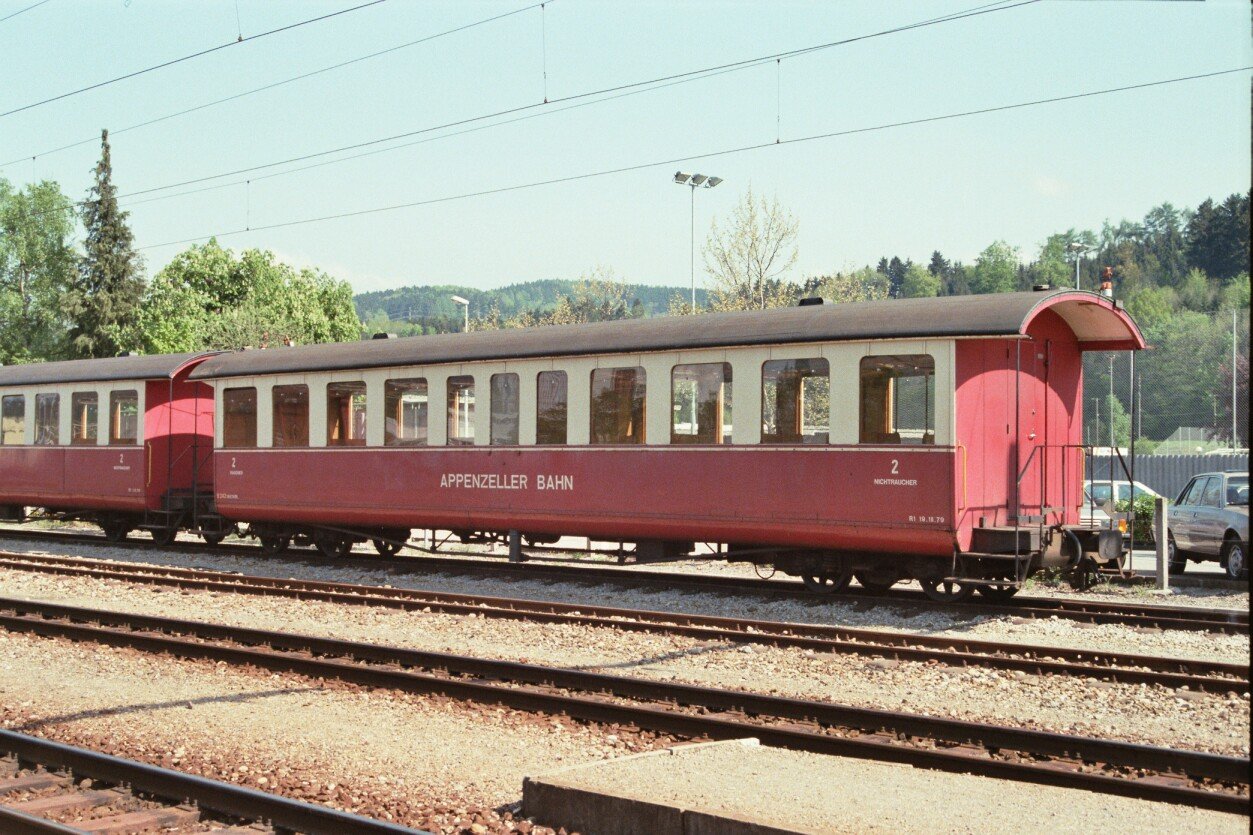 Fig. 7 Car B 242 in a red and beige livery as seen in Gossau (17 .05.1986)
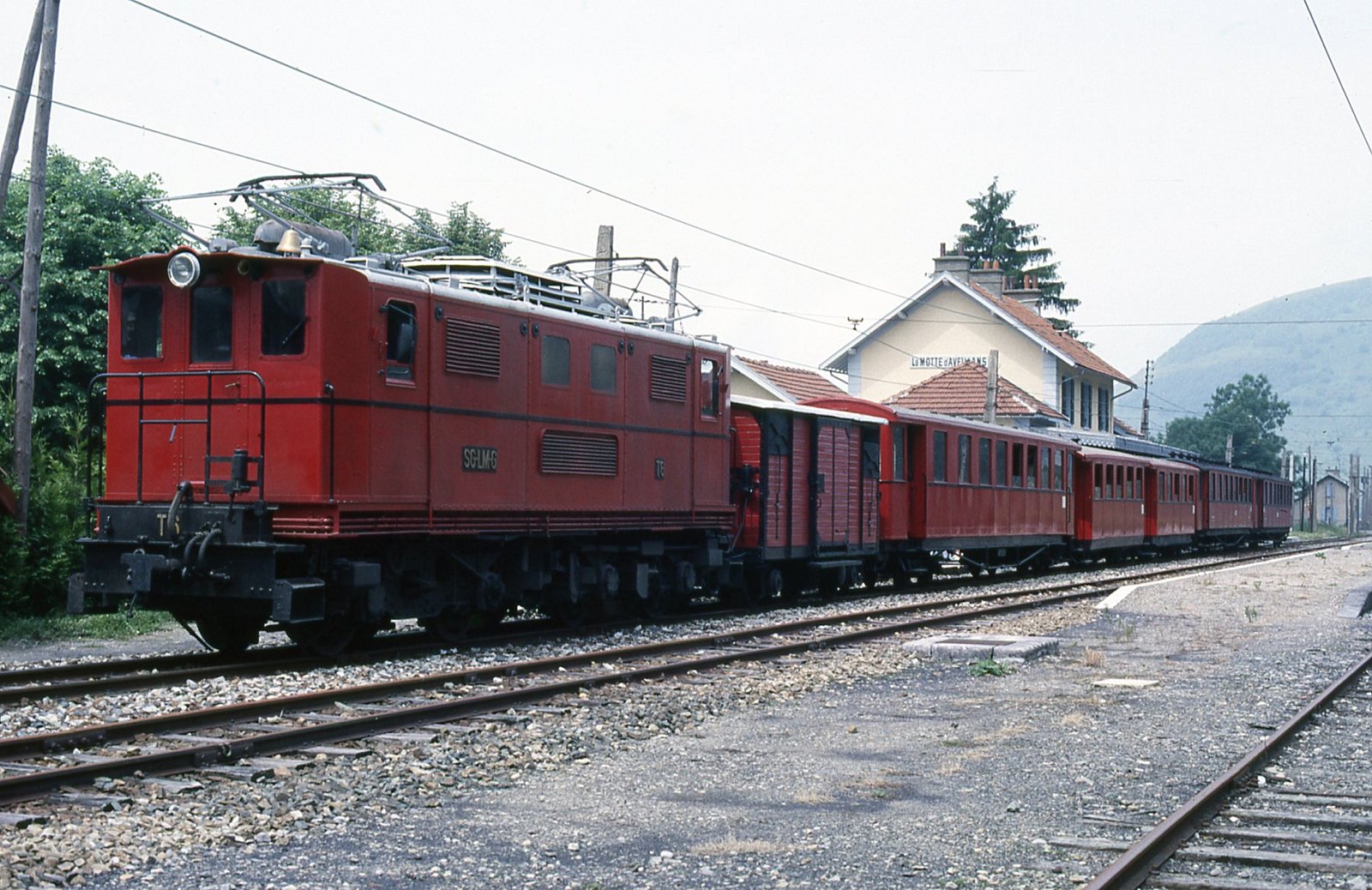 Fig 9. The typical CFM livery, fully red with a single black stripe down the middle
The cars B 242 and B 244 were originally RhB rolling stock with serial numbers 2272 and 2243, respectively, and operated from 1947-1979 somewhere on the RhB network.5,6 Their livery at the time would most likely have been dark green. They then went to the Appenzeller Bahn and operated there under the new serial numbers B 242 and B 244. B 242 was repainted into a red and beige livery to fit the typical livery of the Appenzeller Bahn at the time, see Figures 7 and 8. Car B 244 most likely underwent the same livery change. The cars switched operators again around 1993-1997 to the Chemin de Fer de la Mure.7 Judging by their overall theming, it is a safe bet to say that the CFM repainted the cars to fully red to fit their own livery. In June , they finally arrived at the CFV, where they run on tourist trains in green and beige, and fully green liveries --oddly enough.2 We can only speculate as to why the cars ended up with different liveries.
B 313
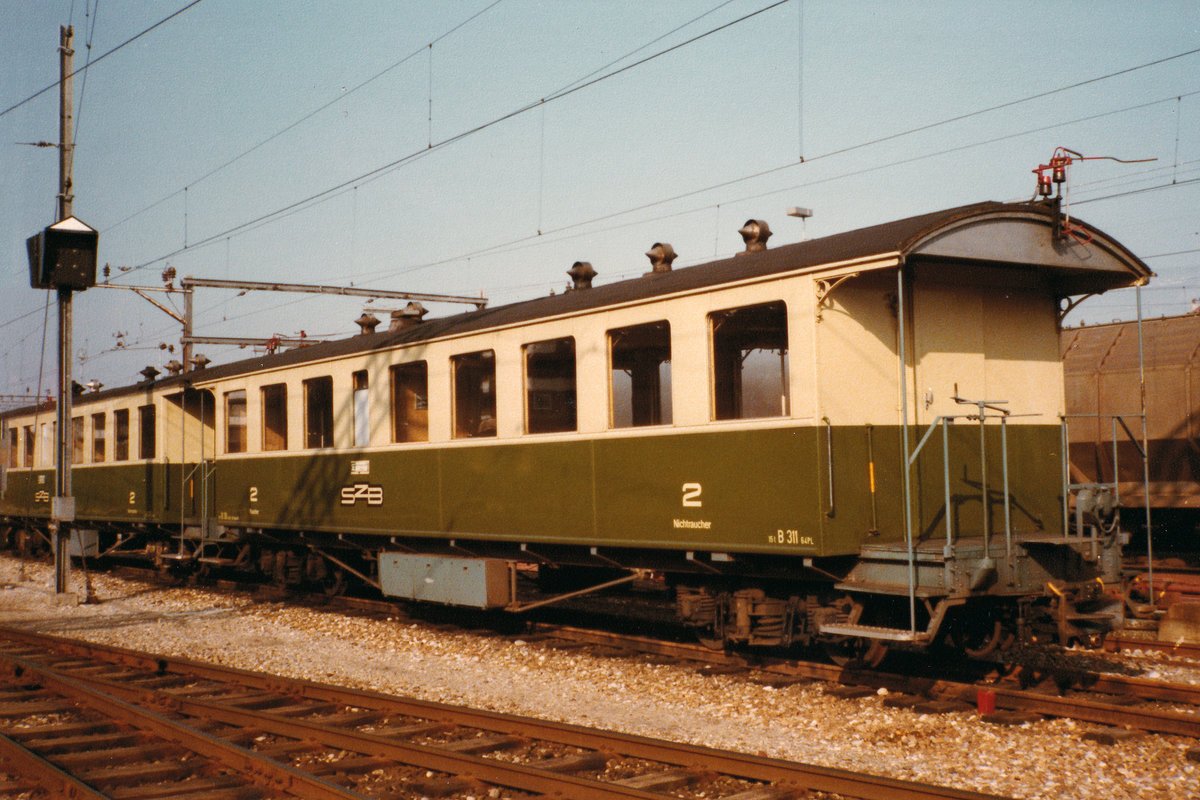 Fig 10. Car B 313 to the left and behind B 311 in the center, having the most striking difference to its modern appearance of all cars (March 1980)
I thought that this car must surely be RhB in origin, but nope! It is not related to the previous two cars in any way! This passenger car unfortunately remains a mystery in its exact history, but I did find this excellent image of it when it used to be part of the Solothurn-Zollikofen-Bern-Bahn. They merged in 1984 with the Vereinigten Berhn-Worb-Bahnen to form the Regionalverkehr Berhn-Solothurn.8 The Wikipedia page to for the CFV points its origin towards the Chemin de fer Bière-Apples-Morges and before that to the SZB, meaning that the "transaction" between the SZB and BAM must have happened before the SZB merged to become the RBS around 1980-1984.2 Its sister car AB 312 was donated to the Fianarantsoa-Côte Est railway in Madagascar in April 2014, which is most likely when the CFV received their SZB passenger as part of the same donation.9 Note how much the car changed when comparing Figures 6 and 10. The roof ventilators, the roof overhangs, electrical roof wiring, and electrical boxes are all completely missing now. The roof itself might be completely different, but it's a little hard to tell from my own images.
Special Shoutout
I would like to give a special shoutout to the people behind pospichal.net and blechundguss.ch for their incredible, niche archival efforts that they've put up for free on the internet and which they are still maintaining, keeping up online. They have been incredibly useful in my research, even though I ended up not using anything from blechundguss.ch after finding an image of a B 242 in an AB livery. These are the kinds of places the internet was made for.